



Decentralized Finance (DeFi) has revolutionized the financial landscape by offering a permission-less and borderless alternative to traditional banking systems. DeFi lending platforms, in particular, have emerged as powerful tools for unlocking liquidity, enabling individuals to borrow and lend assets without intermediaries.
Traditionally, these platforms have been predominantly collateralized by digital assets. However, a growing trend involves the use of real-world assets (RWAs) as collateral, further bridging the gap between traditional finance and DeFi.
|
What are DeFi Lending Platforms? DeFi lending platforms are decentralized applications (dApps) that facilitate peer-to-peer lending and borrowing of cryptocurrencies. These platforms operate on blockchain networks, primarily Ethereum, and utilize smart contracts to automate and enforce the terms of financial agreements. Users can deposit their assets into these platforms and earn interest. At the same time, borrowers can secure loans by providing collateral, all without the need for traditional financial institutions. |
|---|
The Challenge: Volatility and Limited Collateral Options
Cryptocurrencies, while offering exciting possibilities, are notoriously volatile. This volatility creates a challenge for DeFi lending platforms. When used as collateral, a sudden price drop in the underlying crypto asset can lead to loan defaults and instability in the entire system. Additionally, restricting collateral options solely to cryptocurrencies limits the accessibility of DeFi lending for a broader audience, particularly those more comfortable with traditional assets.
Recommended Read: Everything You Need To Know About RWAs
The Solution: Real-World Assets
The integration of real-world assets as collateral in DeFi lending platforms marks a significant evolution in the DeFi ecosystem. Real-world assets can include anything of value, such as real estate, commodities, art, and even invoices. By tokenizing these assets-converting them into digital tokens on a blockchain-DeFi platforms can accept them as collateral, thereby bridging the gap between traditional finance and decentralized finance.
Key Benefits Of This Integration
- Increased Stability: Unlike cryptocurrencies, RWAs tend to have a more established value and are less susceptible to sudden price swings. This reduces the risk of collateral liquidation for borrowers and creates a more predictable environment for lenders.
- Reduced Collateralization Ratios: The inherent stability of RWAs allows DeFi platforms to potentially loosen collateralization requirements. This means borrowers can access loans by locking up less collateral compared to using crypto, freeing up capital for other uses.
- Lower Interest Rates: The combination of increased stability and a wider pool of collateral can lead to a ripple effect. With more predictability and less risk, lenders may be incentivized to offer lower interest rates, making borrowing in DeFi more attractive.
- Liquidity: Tokenizing RWAs creates a fractional ownership structure. This allows for easier trading of these assets on DeFi marketplaces, unlocking the value tied up in them. Asset owners can now leverage their holdings to access immediate liquidity through DeFi loans.
- Financial Inclusion: DeFi lending platforms can democratize access to financial services, enabling individuals and businesses in underserved regions to access credit by using their real-world assets as collateral.
How Does RWA Collateralization Work in DeFi Lending?
Tokenization
Real-world assets are first tokenized, essentially creating digital representations on a blockchain. This process involves converting physical assets, such as real estate, commodities, or invoices, into digital tokens that can be managed and traded on a blockchain.
Before tokenization, the real-world asset must be appraised to determine its market value. This valuation process is critical to ensure the tokens accurately represent the asset’s worth.
Once the asset’s value is determined, digital tokens are created to represent ownership or a claim on the asset. Each token typically represents a fraction of the asset’s total value, enabling fractional ownership. For example, a property worth $1 million might be tokenized into one million tokens, each representing a $1 stake in the property.
Smart contracts are integral to managing tokenization. These self-executing contracts encode the terms of the asset’s tokenization, ensuring that the tokens are accurately tied to the asset’s value and ownership rights.
Collateralization
After tokenization, these digital tokens can be used as collateral on DeFi lending platforms, enabling asset owners to secure loans without selling their assets. The tokenized assets are deposited into a DeFi lending platform’s smart contract. This deposit acts as a security measure, ensuring that the loan is backed by a tangible asset.
The borrower specifies the desired loan amount and terms, such as interest rate and duration. The terms of the loan, such as interest rates and loan-to-value (LTV) ratios, are determined by the specific lending pool and the underlying RWA.
To protect lenders, DeFi platforms typically require more collateral than the loan amount. This over-collateralization helps to absorb potential fluctuations in the asset’s value, safeguarding the loan’s security.
Loan Issuance
With collateral in place, the loan can be issued to the borrower, providing immediate access to liquidity. The platform verifies the deposited collateral and approves the loan request. This step ensures that the borrower has provided sufficient collateral.
Once approved, the loan amount is transferred to the borrower’s account, usually in the form of stablecoins or other cryptocurrencies, facilitating immediate use.
Interest begins to accrue on the loan according to the agreed terms, creating an obligation for the borrower to repay the principal and the interest over time.
Repayment and Interest
Borrowers must repay the loan in installments or a lump sum, along with the accrued interest. Periodic payments are made according to the loan’s repayment schedule, gradually reducing the outstanding principal and interest.
Interest is paid with each installment, contributing to the lender’s return on investment. Many platforms allow for early repayment without penalties, providing flexibility for borrowers who wish to settle their debts ahead of schedule.
Loan Closure
The process concludes with the full repayment of the loan, upon which the collateral is returned to the borrower. The borrower makes the final payment, covering any remaining principal and interest.
Upon completion of the loan repayment, the smart contract automatically releases the tokenized collateral back to the borrower’s account. Both parties confirm the loan closure, finalizing the transaction and restoring the borrower’s full ownership of the collateral.
Recommended Read: Real World Asset (RWA) Tokenization Is Disrupting The Cryptocurrency Industry
Image filename: DeFi-Lending-Platforms-Specialists

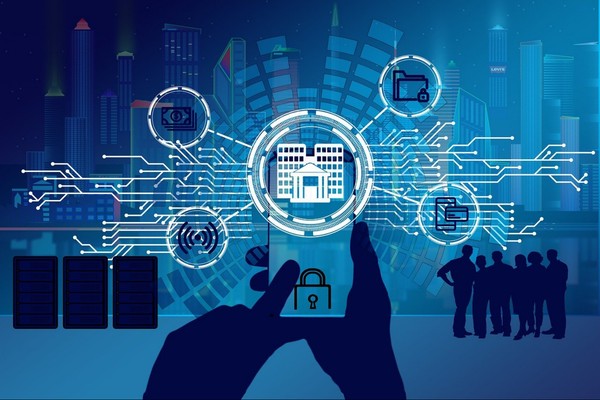
Image alt text: digital asset specialist discussing the integration of real-world assets into DeFi lending platforms
|
The Future of DeFi Lending with Real-World Assets The integration of real-world assets into DeFi lending platforms has the potential to revolutionize the financial industry. As the technology matures and regulatory frameworks evolve, we can expect to see:
|
|---|
Leverage Real-World Assets for DeFi Lending at Kenson Investments
The DeFi revolution is here, but navigating the world of crypto-backed loans can be complex. Kenson Investments is at the forefront of helping investors leverage the power of real-world assets (RWAs) in DeFi lending.
The team of seasoned digital asset specialists at the company combines DeFi expertise with traditional asset valuation, ensuring you leverage RWAs effectively to secure loans with greater stability and lower risk. They simplify the process, supporting you through RWA tokenization, connecting you with secure lending pools, and managing your loan throughout its lifecycle.
Don’t settle for volatile crypto collateral. Experience the stability and liquidity of real-world assets with Kenson Investments. Set up a free consultation to explore how DeFi lending with RWAs can empower your financial future.
About the Author
Samantha Torres is a passionate blockchain enthusiast and a seasoned writer specializing in the realms of decentralized finance (DeFi) and financial technology. With a background in both finance and technology, she brings a unique perspective to the rapidly evolving world of DeFi. Samantha aims to educate and inspire individuals and businesses to explore the opportunities presented by decentralized finance. When not immersed in the world of blockchain, she enjoys exploring new technologies, traveling, and spending time with family and friends.
