


Introduction
Monthly utility bills are a routine responsibility, but paying them no longer needs to involve standing in queues or visiting a payment counter. Digital platforms have made it possible for customers to manage recurring payments from smartphones, computers, and banking applications. Electricity bill payment online is one of the most common examples, allowing customers to check amounts due and complete payments through supported digital channels.
Why Online Bill Payment Is Becoming More Convenient
Digital payments allow customers to manage bills from almost anywhere without depending on the opening hours of a physical payment centre. Instead of carrying cash or visiting a counter, users can enter their consumer details, check the amount due, choose an available payment method, and complete the transaction digitally. Digital receipts can also make it easier to maintain a record of completed payments.
How Electricity Bill Payment Online Works
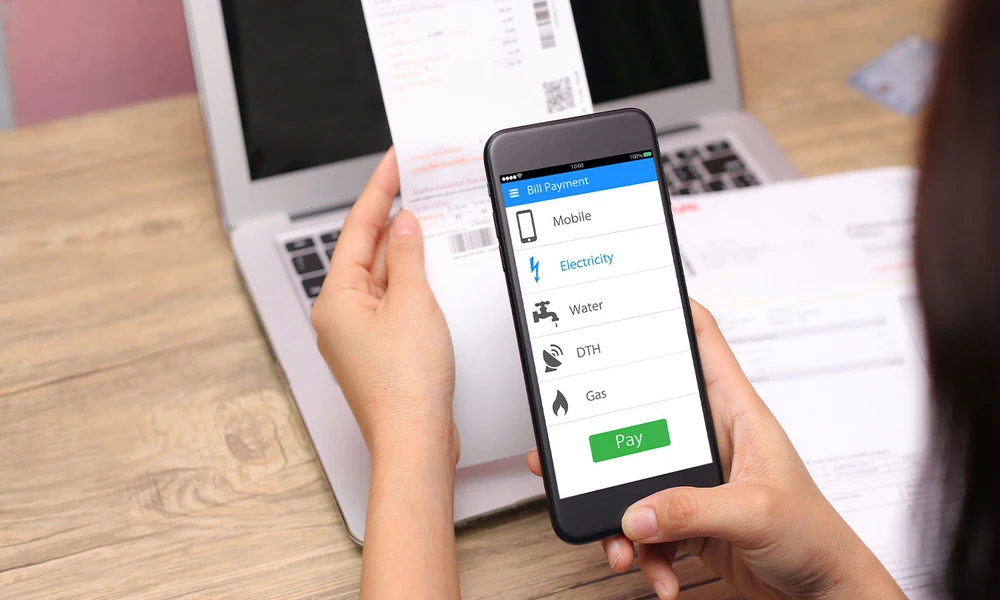
The typical process starts with selecting the electricity provider and entering the required consumer or account number. After the system retrieves the bill details, the customer can verify the amount and choose an available payment method. Once the transaction is completed successfully, the customer should retain the confirmation or receipt for future reference. Users should always verify that the provider and account details are correct before making payment.
Benefits of Using Digital Bill Payments
Online payments can reduce the risk of missed due dates, make payment records easier to access, and save time for customers with busy schedules. Many digital banking and payment platforms also provide transaction notifications, making it easier to confirm whether a payment has been processed. Customers should still check their bill status and payment confirmation carefully, particularly when a transaction appears delayed or unsuccessful.
Paying Water Bills Online
The same convenience can apply to water bill payment online where the relevant utility provider supports digital payments. Customers generally need their consumer number or other account information before proceeding. As with electricity payments, verifying the provider, account details, amount, and final transaction status helps reduce errors and ensures the payment is credited correctly.
Credit Card Bill Payment and Digital Convenience
Credit card bill payment can also be managed through digital banking and payment channels, allowing customers to pay outstanding balances without visiting a branch or payment centre. Customers should check the payment due date and allow sufficient processing time where applicable. Paying attention to confirmation messages and maintaining transaction records can help avoid confusion around payment status.
Keeping Digital Payments Secure
Convenience should always be balanced with security. Customers should use trusted banking or payment applications, avoid sharing passwords or one-time authentication codes, and check website addresses before entering sensitive information. If a transaction fails, customers should verify the status through the authorised banking or biller’s channel before attempting multiple payments, which can help prevent duplicate transactions.
Conclusion
Digital bill payment has made routine financial tasks faster and easier for many households. From electricity bill payment online to water and credit card payments, customers can manage recurring obligations through convenient digital channels while keeping electronic records of their transactions. By using authorised platforms and following basic security practices, customers can make monthly bill management more efficient and organised.
