


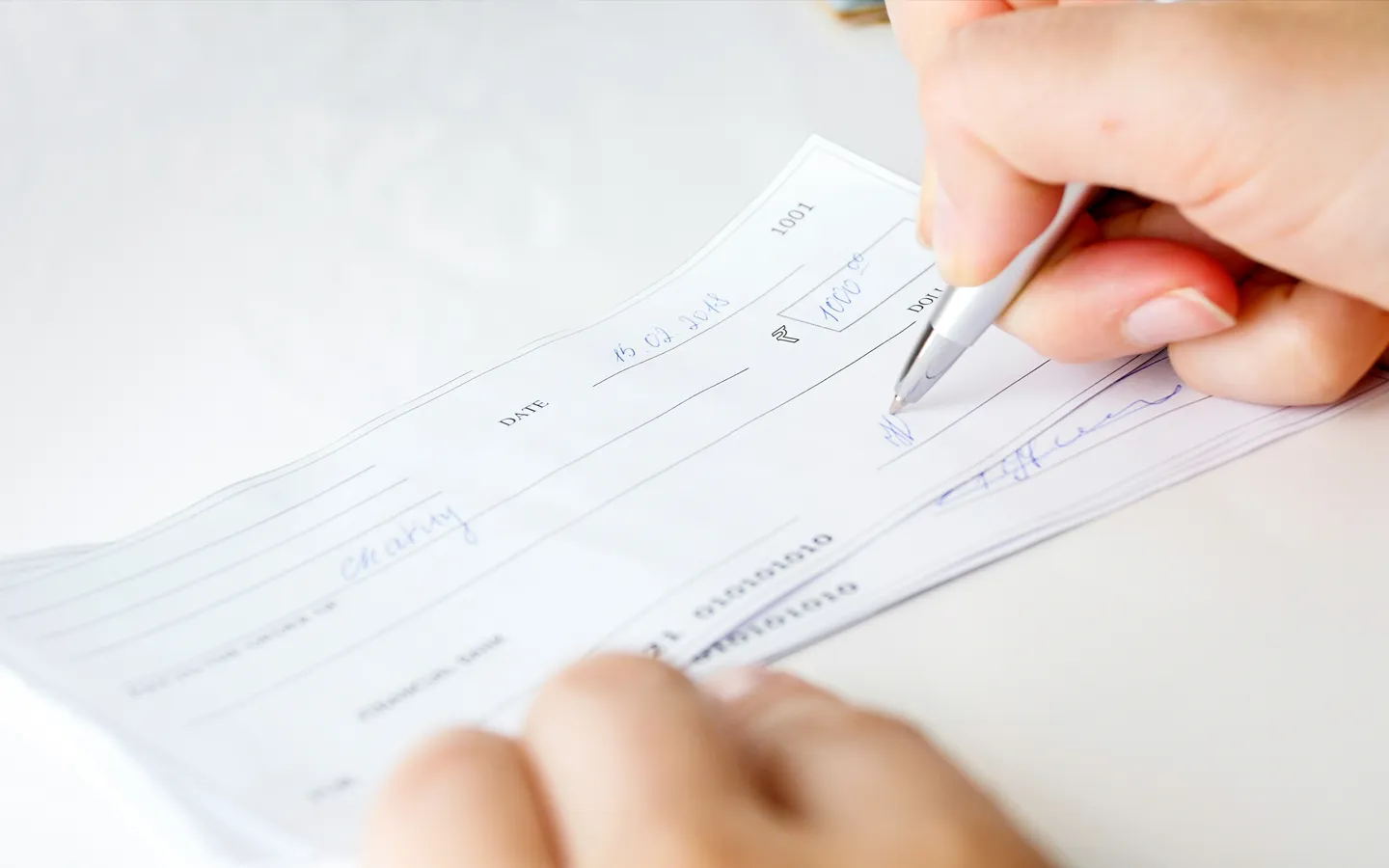
Ordering a personal cheque book used to mean a lengthy wait at the bank and a hefty price tag. Now, smart shoppers have discovered there’s a better, safer, and far more affordable way.
Why Choose Personal Cheque Books Outside Your Bank?
Banks want you to believe they are the only option for secure personal cheques, but recent trends reveal otherwise. Third-party cheque providers now offer robust security, rapid delivery, and savings that put most banks to shame.
Cost Comparison: Banks vs. Third-Party Providers
The price gap between bank-issued cheques and independent suppliers can be startling. Ordering a basic set of cheques from your bank typically costs much more than going direct to an authorized provider. Here’s what the difference looks like:
| Provider | 4 Books (160 Cheques) | 8 Books (320 Cheques) | 12 Books (480 Cheques) |
|——————–|———————-|———————–|————————|
| Typical Bank | $100+ | $190+ | $270+ |
| Third-Party Vendor | $45 | $80 | $110 |
Why pay double or triple for the same function?
Convenience and Customization Options
Ordering securely online lets you skip the line and tailor your cheques to your needs. Want your cheques in purple or with duplicate copies for record-keeping? Done. Need a rush order for an upcoming payment? Many providers ship same day if you order before noon. Customization goes beyond colors too; details like upper/lower case printing, logo inclusion, and specific fonts are often available.
Common Misconceptions About Ordering Cheques Independently
Some people worry about security or whether banks will accept third-party cheques. In reality, if you choose a reputable supplier who meets Canadian payment standards, your cheques will be accepted anywhere. Security features are industry standard and you’re covered by satisfaction guarantees.
Key Security Features to Look For in Personal Cheque Books
Security is not optional. Fraud risk is real, so knowing what to look for in a cheque book matters.
Standard Security Elements on Cheques
At a minimum, every personal cheque should include:
– Microprint signature lines (hard to replicate)
– Chemically sensitive paper
– Padlock icon or security notice
– Authorized watermark
Advanced Anti-Fraud Technologies
Some providers offer additional peace of mind through:
– Security screens that reveal attempts to alter information
– Invisible fibers or holograms
– Heat-sensitive ink
How to Verify the Authenticity of Your Cheque Book
Look for the provider’s security certifications on their website. When your cheques arrive, check for microprint lines and security warnings. If in doubt, compare with previous cheques or ask your bank.
How to Order Your Personal Cheque Book Correctly
Getting your details right is crucial for hassle-free banking.
Essential Information to Provide (Customer, Bank, Account Details)
You’ll need:
– Your name and address (as printed on the cheque)
– Bank name and branch address
– Bank branch number and institution number
– Bank account number
– Starting cheque number
Uploading a voided cheque can speed up processing and ensure accuracy.
Selecting Quantity and Cheque Style (Single vs. Duplicate)
Single cheques are simple, but duplicate cheques create a carbonless copy every time you write one. Choose based on your record-keeping needs. Order in bulk to save more per cheque.
Color and Design Choices: What They Mean and Why They Matter
Want blue, burgundy, or even tan? Color options help you personalize your cheques, but also can aid organization, especially if you manage multiple accounts.
Optional Extras: Register Booklets and Rush Orders
A cheque register helps you track spending and avoid overdrafts. Rush processing is invaluable if you need cheques quickly. Both options are typically inexpensive add-ons.
Managing Your Cheque Book for Safety and Budget Control
Staying on top of your cheques is about more than organization, it’s about security.
Using the Cheque Register Effectively
Record every cheque you write: date, recipient, and amount. Mark when it clears. This simple habit prevents bounced cheques and gives you a real-time account balance.
Tips for Preventing Errors and Fraudulent Use
– Never leave blank cheques unattended.
– Store unused cheques in a secure place.
– Shred voided or obsolete cheques before discarding.
– Never pre-sign cheques.
Best Practices for Storing and Disposing of Cheques
Keep your cheque book in a locked drawer or home safe. For disposal, cross-cut shredders make it nearly impossible for information to be stolen.
Troubleshooting Common Issues When Ordering and Using Cheque Books
Problems are rare, but knowing what to do helps.
What to Do If Your Order Is Incorrect or Delayed
Contact customer support promptly. Most providers will correct printing errors and replace cheques at no extra cost if the mistake is on their end.
How to Handle Lost or Stolen Cheques
Notify both your bank and your cheque supplier immediately. Your bank can place a stop payment on missing cheques.
Contacting Customer Support and Providing Voided Cheques
If your provider requires a voided cheque for verification, you can often email or fax it. Keep your order number handy when contacting support for fast resolution.
Maximizing Value: Getting the Most Out of Your Cheque Book Purchase
Every dollar counts, so maximize savings and protection.
How to Save Up to 60% Compared to Bank Pricing
By choosing providers like Discount personal cheques, you can cut your costs by more than half and still receive secure, customizable cheque books.
Combining Orders and Bulk Discounts
Ordering multiple books at once slashes the price per cheque. If you’re splitting with family or a small business partner, bulk purchases make sense.
Understanding Satisfaction Guarantees and Return Policies
Look for a 100% satisfaction guarantee. This means if you’re unhappy with the product for any legitimate reason, you can request a reprint or refund.
Getting secure, affordable cheques is now easier than ever, as long as you know what to look for and what to avoid. With these essentials covered, you’ll never overpay for your cheque books again.
